About the facilitator
Jessica Grace Smith
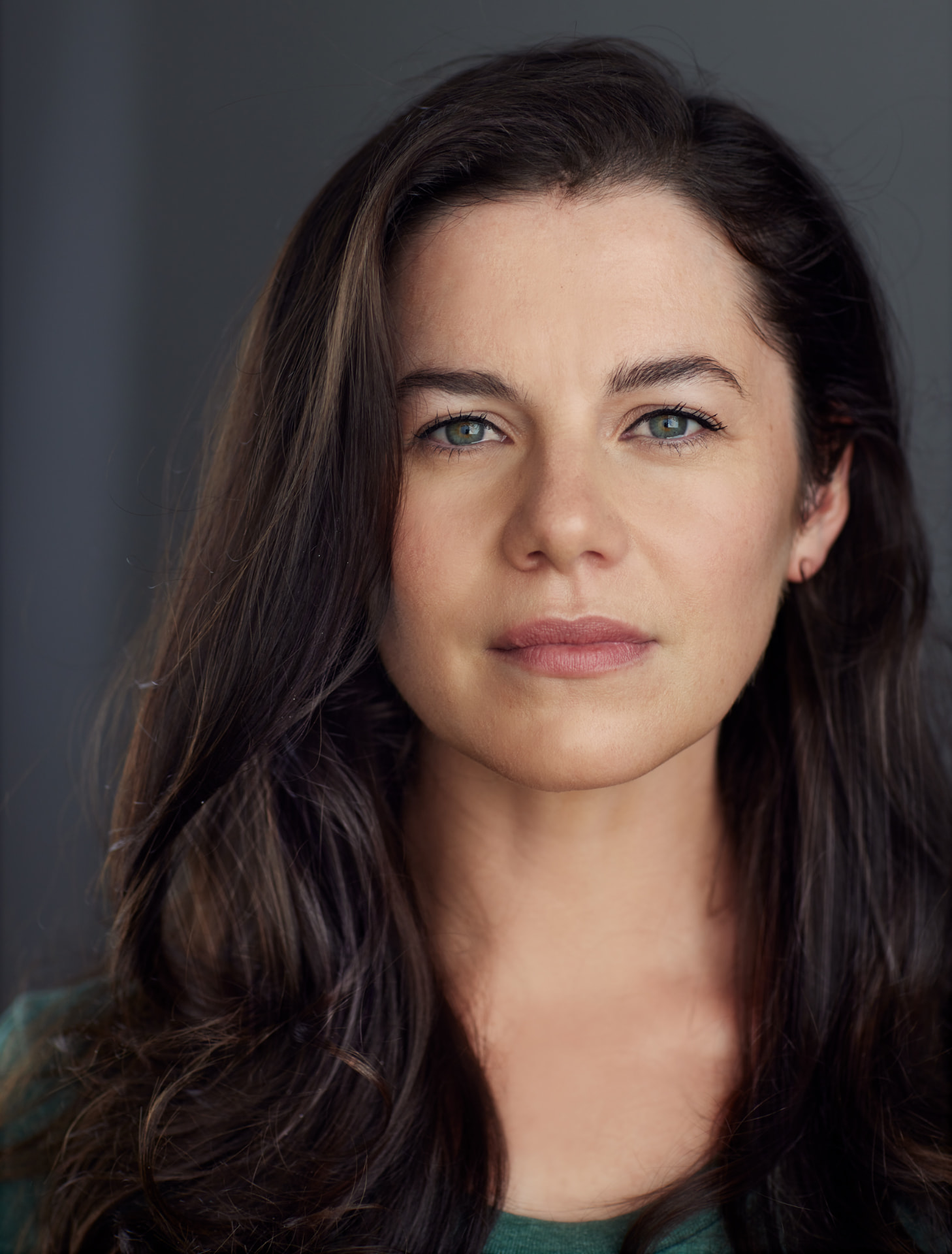
As an actor and director, I've spent more than 15 years working in environments where being watched, judged and asked to communicate under pressure is part of the job.
Over time, I became fascinated by what happens to us when we know we're being evaluated.
We tighten.
We overthink.
We try to get it right.
We start performing a version of ourselves.
And I've learned that the most compelling communication happens when we stop trying to manage how we're being perceived and reconnect with what we're actually there to do.
That means creating enough space to notice what's happening in the moment - and choosing how we want to respond, rather than simply reacting to the pressure.
It's about shifting our attention away from how we're coming across and towards the people in front of us and the message we're trying to communicate.
That's the thinking behind The Courage To Be Seen: helping people become more comfortable being seen, so they can communicate with confidence, clarity and presence without having to perform a version of themselves.
Directing On Set
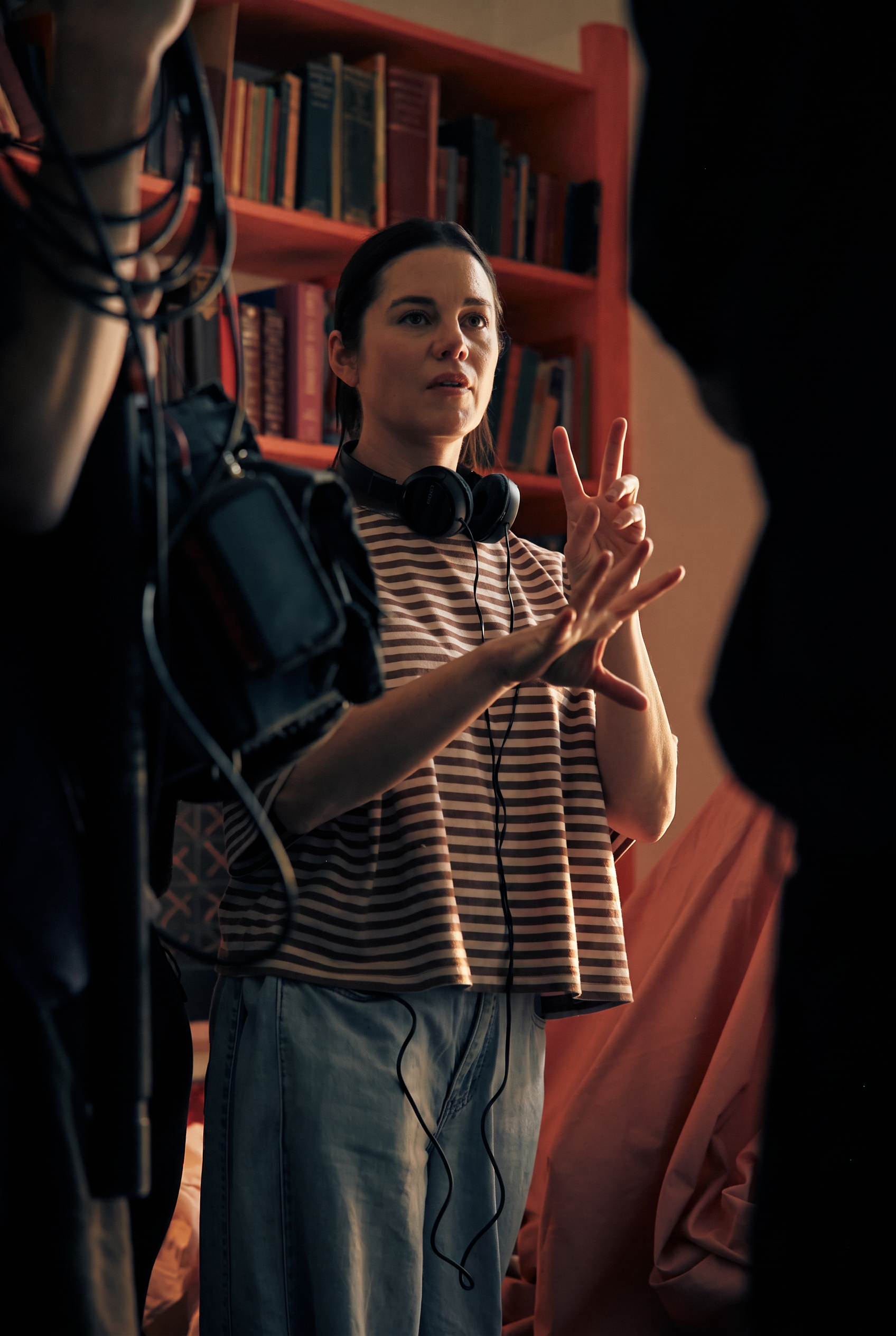
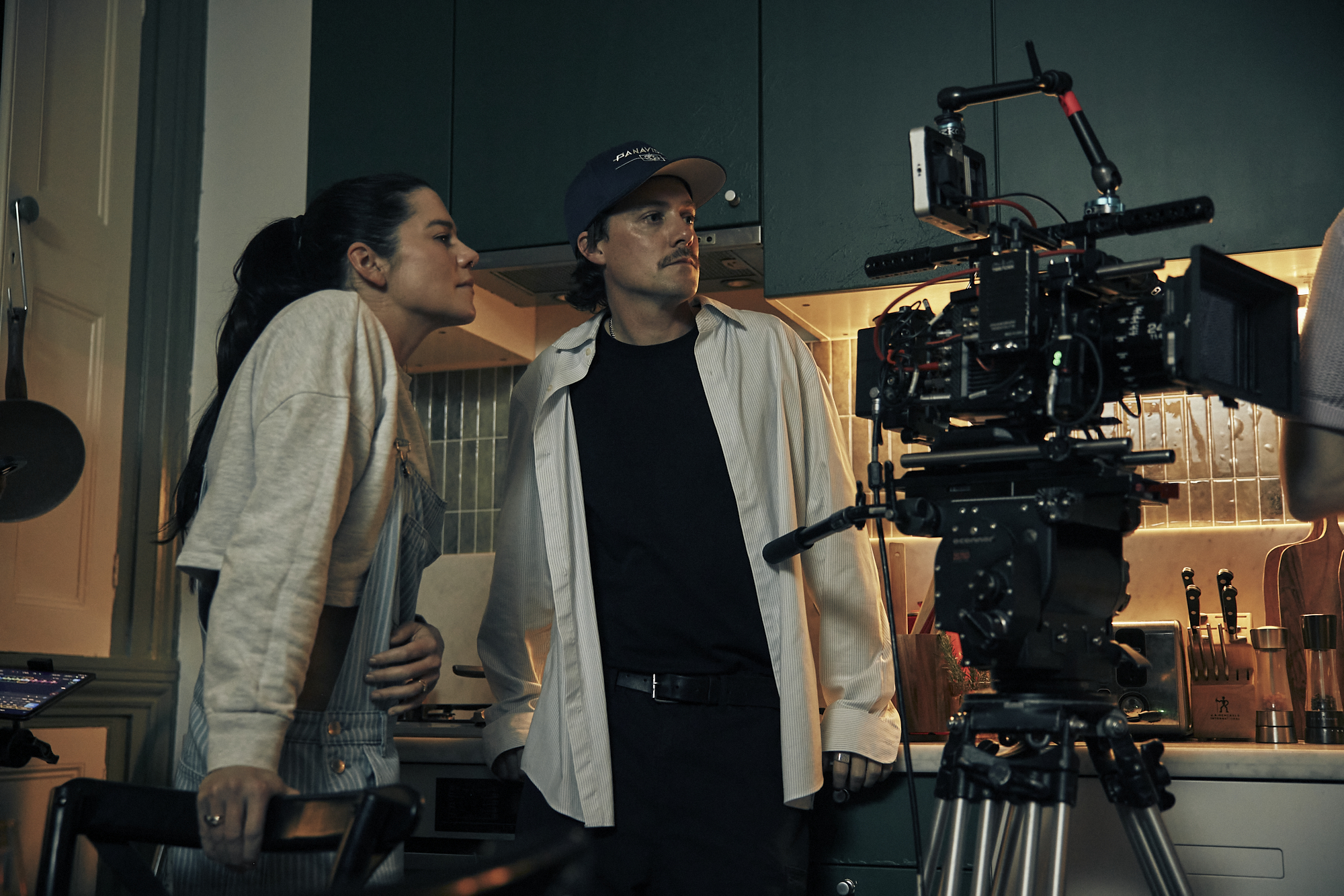
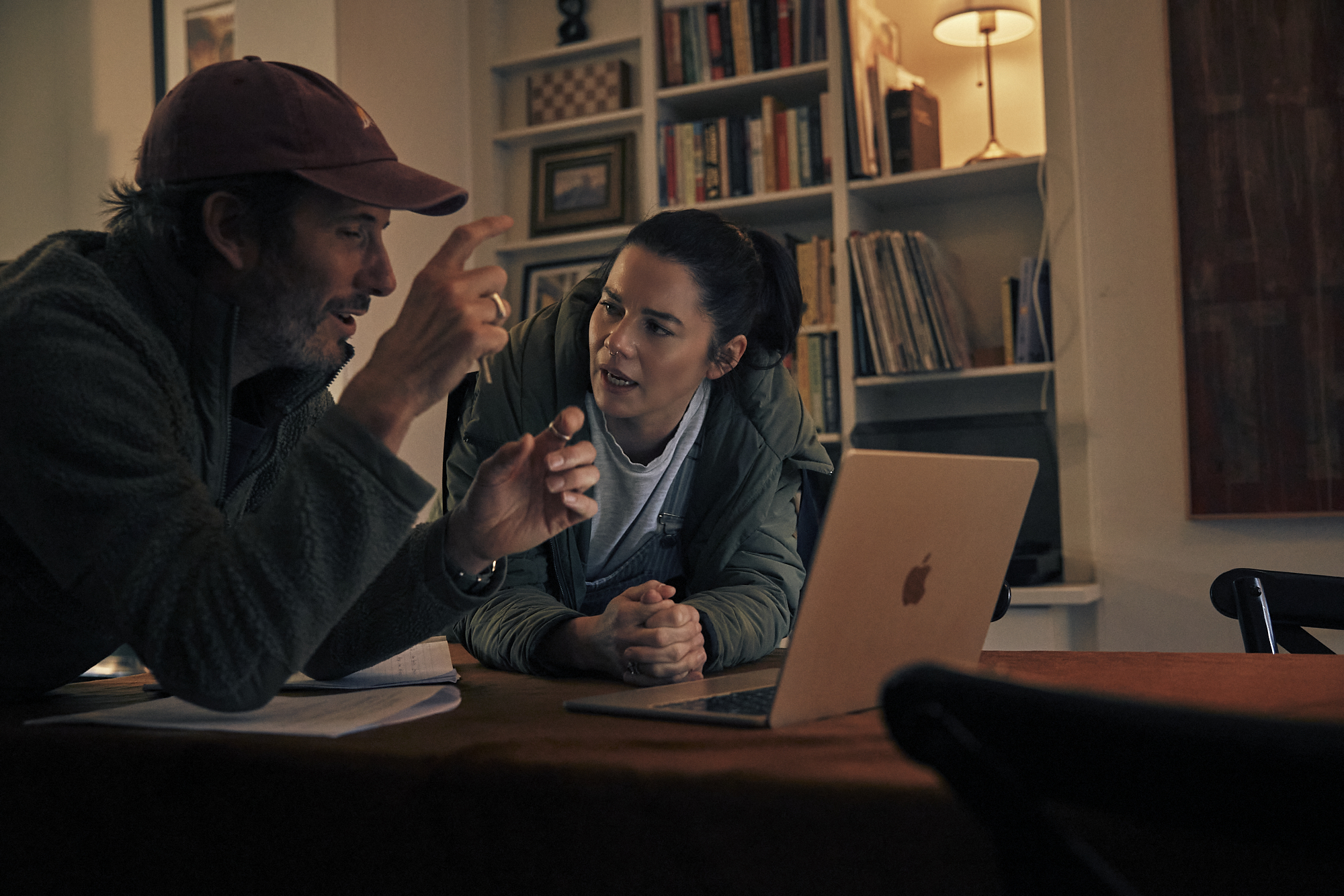
Biography
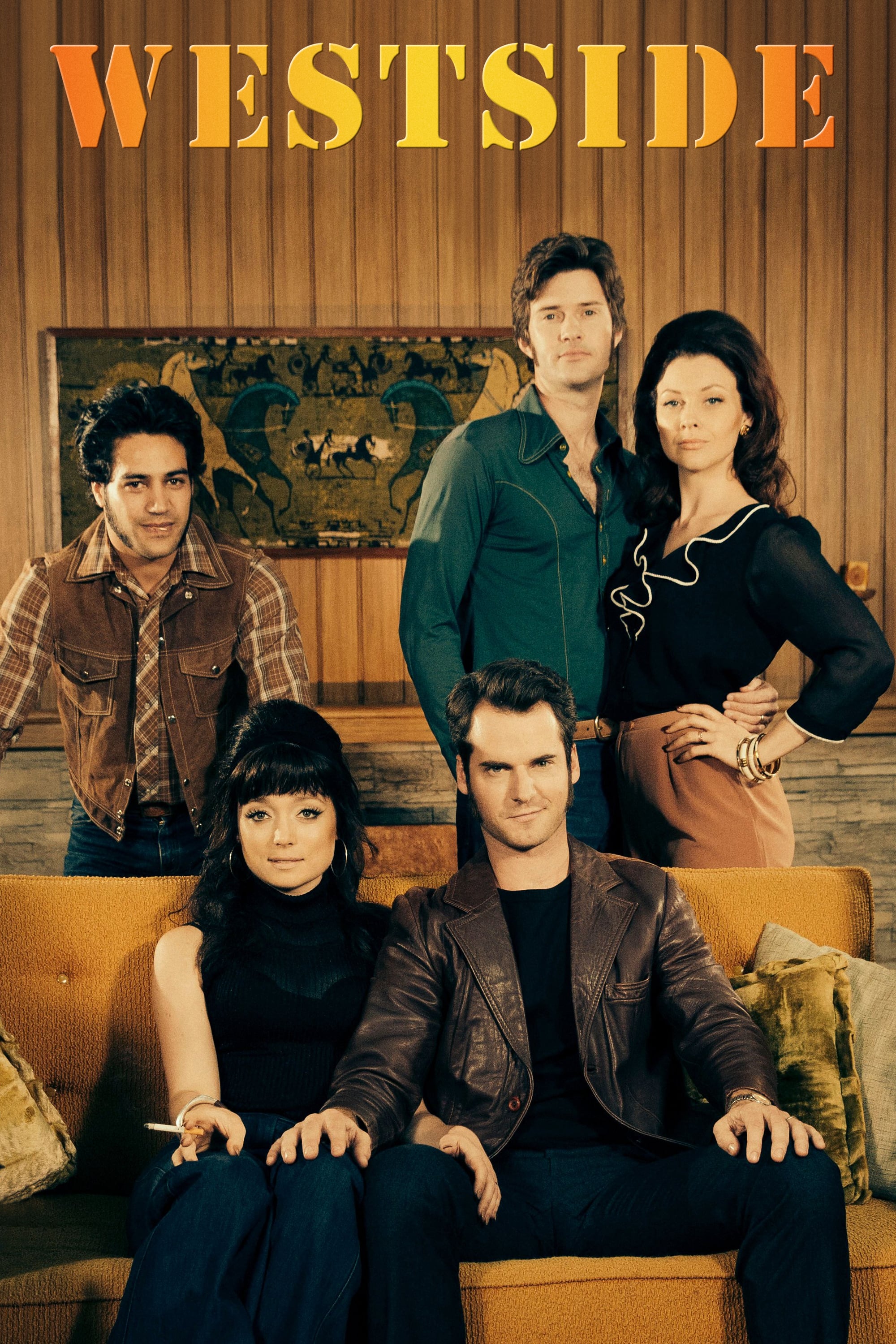
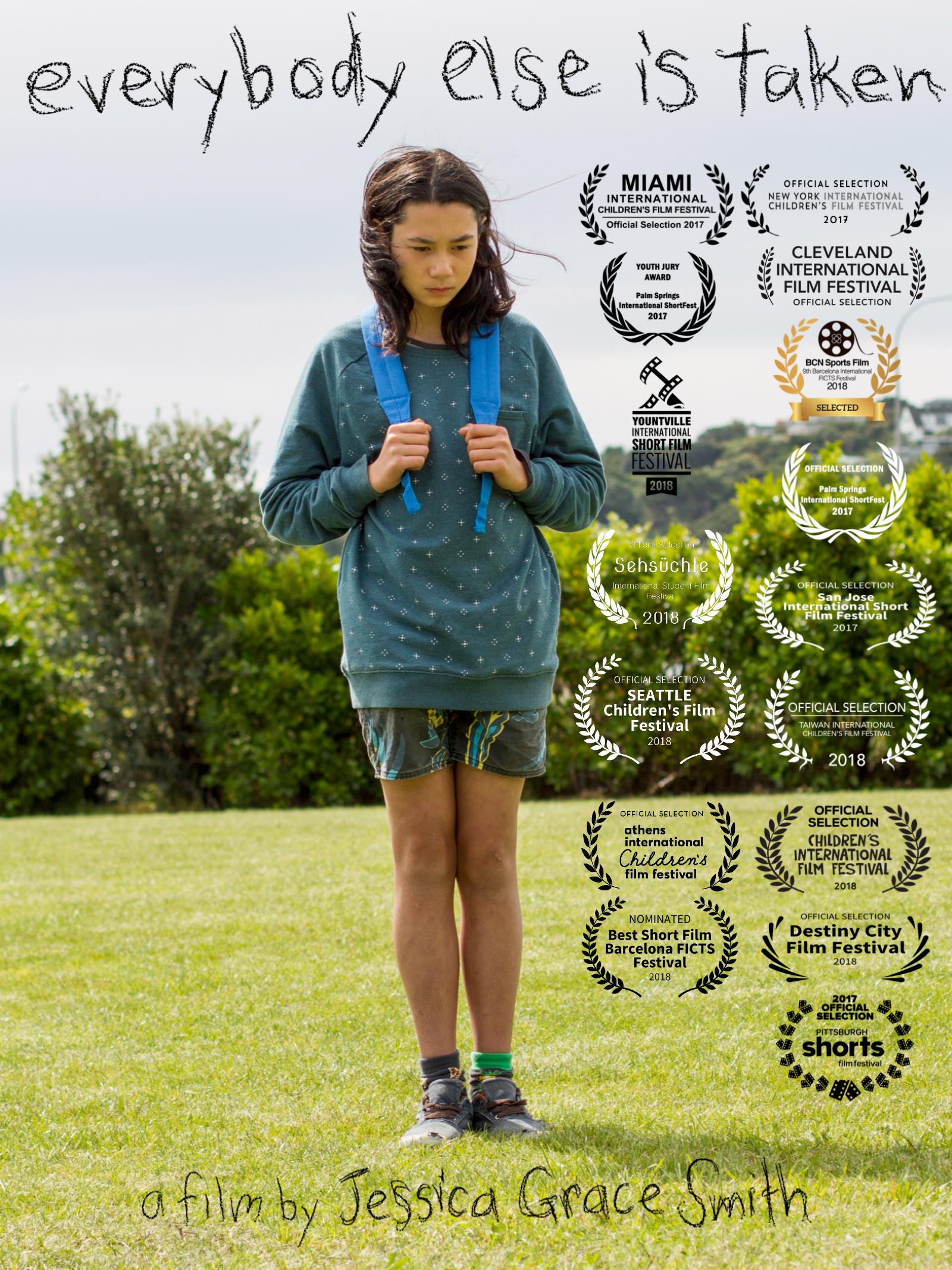
Jessica graduated with a Bachelor of Performing Arts, majoring in Acting, from Toi Whakaari: NZ Drama School. There, she underwent rigorous training in voice, movement, presence and communication, grounded in the demands of professional performance.
Jessica has spent more than 15 years working across film and television, developing a deep understanding of what happens when we are asked to perform, speak or be seen under pressure. Her work as a performer and director has given her extensive experience helping people find presence, physical command and the courage to stay connected to themselves in front of an audience. This experience sits at the heart of the embodiment and presence work in her workshops.
Jessica's workshops draw on research into mindset, threat response, self-worth and the psychology of performance to explore why confidence can disappear when the stakes feel high, and how we can learn to relate differently to fear, nerves and self-doubt.
Her approach is particularly influenced by the work of Ben Crowe, Michael Bungay Stanier, Miranda Harcourt and Carol Dweck - combining mindset, embodied practice and practical coaching tools to help people move from self-consciousness to genuine presence.







How the room is held
Curious, not impressive
The facilitator grounds first. Slow speech, feet down, curiosity over performance - that’s what makes the room safe enough to practise in.
Experiential, not lecture
Short input, then doing. Pairs, triads, movement. Passing is always an option.
Test it, don’t believe it
Nothing is asked to be taken on faith. Participants try the exercise and notice what actually happens.
“Courage isn’t about getting rid of the threat response. It’s about creating enough space to choose who you want to be when it shows up.”
Work with Jessica